Slopes That Move Water Away From Structures
Land Grading in Ashley for properties with standing water, poor drainage, and foundation moisture concerns
Older farmhouses and newer rural homes alike often sit on fields that were graded for crops, not for runoff, leaving low spots by the foundation where water collects after rain and snowmelt. The crew surveys existing elevations and identifies where water collects and where it should go, then cuts high spots, brings in fill to build a continuous slope away from the structure, and rough-grades to finished elevation before final smoothing. Keller Bros handles grading, excavation and driveway projects with one crew, and you get an estimate before work starts that states whether topsoil and seeding are included.
The work begins with a survey of the lot to measure existing elevations and trace where water flows after a storm. High spots are cut and used as fill in low areas, or additional material is brought in to build the slope the drainage plan requires. The surface is rough-graded to the finished elevation, then smoothed and compacted so it holds its shape once rain starts running across it.
Arrange a site evaluation to map drainage patterns and identify grading needs around your foundation.
How Grading Addresses Standing Water
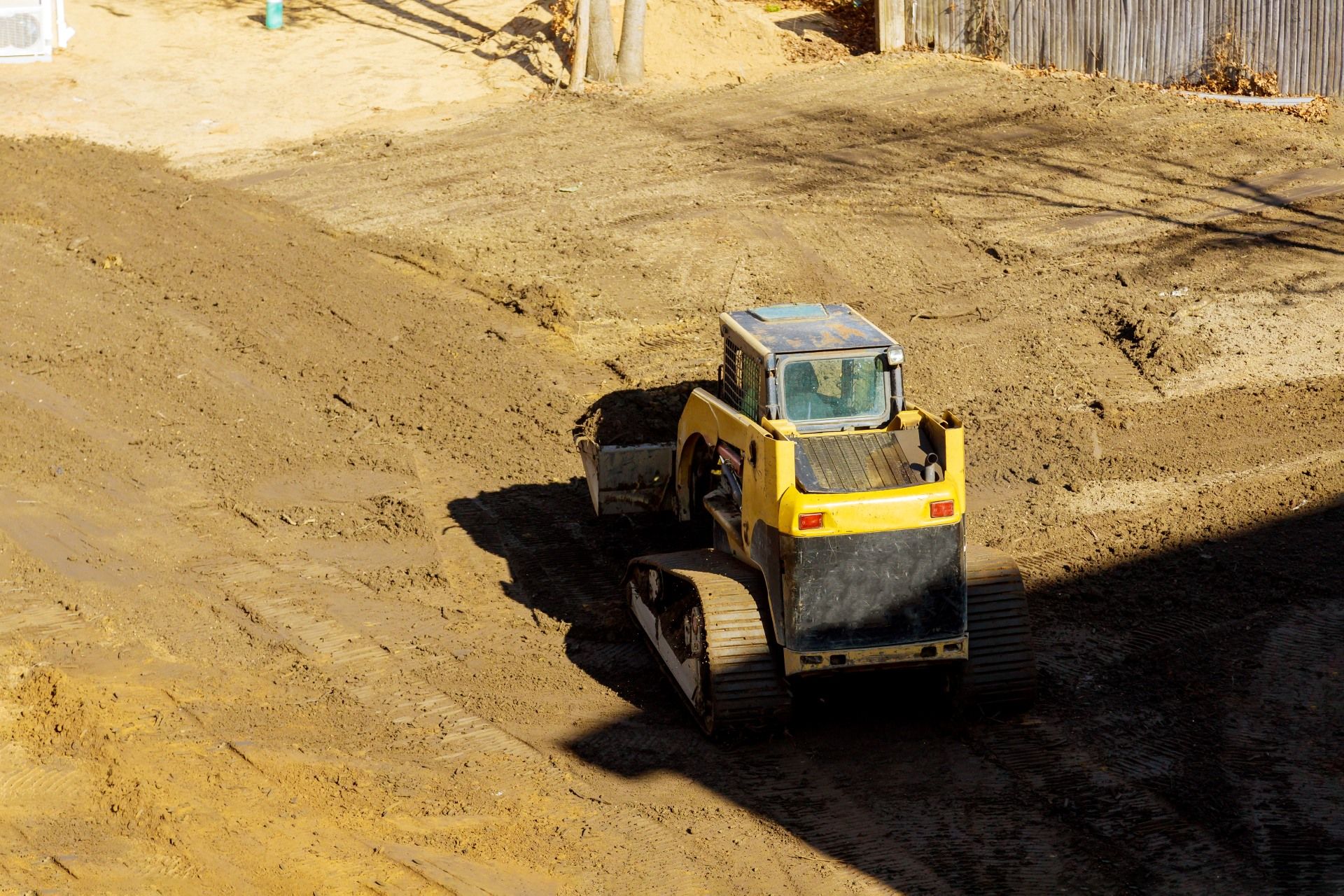
Grading creates a continuous slope away from the foundation so water runs toward a drainage path instead of pooling against the basement wall or slab edge. The grade is cut and filled to move high points outward and eliminate low spots within ten feet of the structure.
Once grading is finished, you notice water running away from the house during storms instead of pooling in depressions or soaking into the soil near the foundation. The ground around the structure has a visible slope, and puddles that used to sit for days drain within hours of the rain stopping.
The estimate breaks out cut and fill quantities, hauling, and whether topsoil replacement and seeding are part of the scope. Some jobs require only regrading existing soil, while others need imported fill to reach the slope required for effective drainage.
What Property Owners Ask About the Work
Grading questions in Alma and Breckenridge often center on how much slope is needed and whether the existing soil can be reused or needs replacement with fill material.
How much slope is required to move water away from the foundation?
The graded surface typically drops six inches over the first ten feet from the foundation, creating enough fall to move water without causing erosion or pooling.
What happens to the soil cut from high spots during grading?
Cut material is used as fill in low areas where possible, reducing the amount of imported fill needed and lowering hauling costs.
Why does grading around older farmhouses often reveal drainage issues that weren't visible before?
Fields graded for tillage were leveled to hold moisture for crops, and that same flat profile traps water against foundations once a house sits on the lot.
How is the graded surface compacted so it doesn't settle after heavy rain?
The crew uses a compactor or roller on the filled areas to compress the soil in layers, preventing voids that would allow the surface to sink once water saturates it.
What preparation is needed before the grading crew arrives?
Mark any utilities, sprinkler lines, septic components or landscape features you want preserved so the crew knows where to avoid cutting or filling.
The family-run team at Keller Bros offers free estimates on all grading work and handles excavation and driveway projects with the same crew. The business also performs land grading in Johns, Pleasant, Ithaca, Alma and Breckenridge.